DNA & Paternity Test Cost in Zambia
Updated March 2026 · 9 test types · 7 providers listed
The most comprehensive guide to DNA testing in Zambia — covering paternity test costs, which hospitals and labs offer testing, what documents to bring, the step-by-step process, and the legal framework for court-ordered DNA tests.

Complete Guide to DNA & Paternity Testing
Costs · Providers · Legal Framework · Step-by-Step Process
DNA Test Prices in Zambia (2026)
Paternity Test (Private — 2 people)
Father + child. For personal knowledge only, not admissible in court.
⏱️ Turnaround: 5-10 business days
ZMK 3,500 – 6,000
Paternity Test (Legal / Court-Ordered)
Chain-of-custody collection, court-admissible results. Requires ID verification.
⏱️ Turnaround: 7-14 business days
ZMK 5,000 – 8,000
Paternity Test (Trio — Father, Mother, Child)
Including the mother increases accuracy to 99.99%+.
⏱️ Turnaround: 5-10 business days
ZMK 5,000 – 7,500
Sibling / Relationship DNA Test
Tests whether two people share one or both parents.
⏱️ Turnaround: 10-15 business days
ZMK 6,000 – 10,000
Prenatal Paternity Test (Non-Invasive)
From 7 weeks pregnancy. Blood draw from mother, cheek swab from alleged father.
⏱️ Turnaround: 10-15 business days
ZMK 15,000 – 25,000
Immigration DNA Test
For visa/immigration applications. Must meet embassy requirements.
⏱️ Turnaround: 15-20 business days
ZMK 8,000 – 15,000
Ancestry / Genetic Heritage Test
Ethnic origins, migration patterns. Often sent to international labs.
⏱️ Turnaround: 4-8 weeks
ZMK 5,000 – 12,000
Grandparentage Test
Tests grandparent-grandchild relationship when alleged father is unavailable.
⏱️ Turnaround: 10-15 business days
ZMK 7,000 – 12,000
Maternity Test
Confirms biological mother. Used in adoption, surrogacy, or hospital mix-up cases.
⏱️ Turnaround: 5-10 business days
ZMK 3,500 – 6,000

How to Get a Paternity Test in Zambia — Step by Step
Whether for personal peace of mind or a court case, here is exactly what to expect when getting a DNA paternity test in Zambia.
📋 Choose Your Test Type
Decide between a private test (personal knowledge, ZMK 3,500-6,000) or a legal test (court-admissible, ZMK 5,000-8,000). If the result may be used in a custody, maintenance, or inheritance case, choose the legal test.
🏥 Select a Provider
Contact an accredited provider — DDC, EasyDNA, African Genetics, or a local lab like Lancet. Confirm pricing, turnaround time, and whether they handle legal chain-of-custody if needed.
📅 Book an Appointment
For legal tests, all parties must appear together at a designated collection point. For private tests, you can use a home collection kit or visit a lab separately.
🧬 Sample Collection
A painless cheek (buccal) swab is rubbed inside the mouth for 30 seconds. No blood draw needed. For legal tests, a trained collector verifies IDs, takes photos, and documents the process.
🔬 Lab Analysis
Samples are shipped to an accredited lab (USA, UK, or South Africa). The lab compares DNA markers at 16-24 genetic locations (loci). Analysis takes 3-7 days once samples arrive.
📄 Receive Results
Results are delivered via secure online portal, email, or sealed letter. You will receive either a probability of paternity (99.99%+) or an exclusion (0% — not the father).
What to Bring for a DNA Test
⚖️ Legal / Court-Ordered Test
- ✓ Government-issued photo ID for all parties (NRC, passport, or driver's license)
- ✓ Birth certificate of the child
- ✓ Court order (if court-ordered test)
- ✓ Passport-size photos of all participants (some providers take photos on-site)
- ✓ Consent forms signed by all adult participants
- ✓ Guardian consent for minors (signed by legal guardian)
- ✓ Payment in full (most providers require upfront payment)
🔒 Private / Personal Test
- ✓ No ID required for private tests
- ✓ Cheek swab kit (provided by the lab or included in mail-in kit)
- ✓ Completed consent/order form
- ✓ Payment (cash, mobile money, or bank transfer)
💡 Tip: Do not eat, drink, smoke, or chew gum for 30 minutes before the cheek swab. This ensures a clean sample.
Where to Get a DNA Test in Zambia — Hospitals & Labs
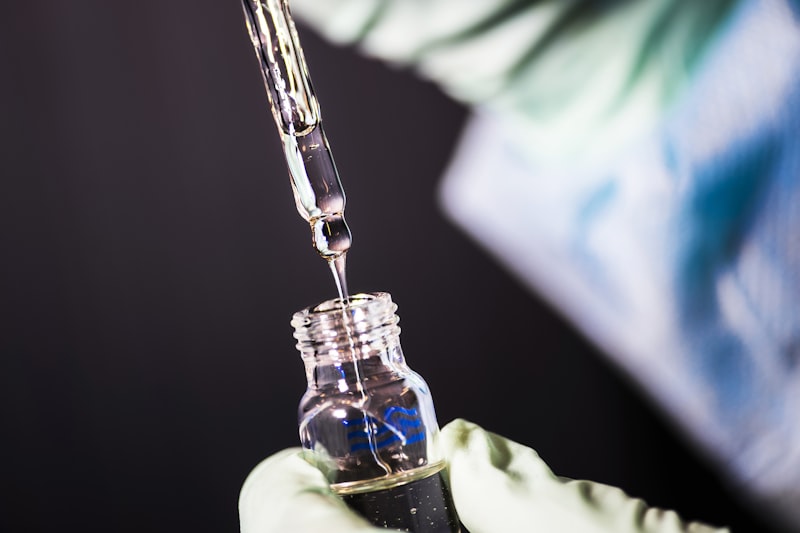
Most DNA tests in Zambia involve local sample collection and international lab analysis. Here are the accredited providers and hospitals where you can get tested.
DDC (DNA Diagnostics Center)
International Lab 📍 Sample collection in Lusaka (local agents), analysis in USA
DDC (DNA Diagnostics Center)
International Lab📍 Sample collection in Lusaka (local agents), analysis in USA
One of the world's largest accredited DNA labs. Local agents in Lusaka collect samples and ship to Ohio, USA.
EasyDNA Zambia
International 📍 Online ordering + home collection kit mailed to you
EasyDNA Zambia
International📍 Online ordering + home collection kit mailed to you
Order online, receive a self-collection kit by mail. Cheek swabs collected at home. Results via secure online portal.
African Genetics
Regional Lab 📍 Johannesburg, South Africa (samples sent from Zambia)
African Genetics
Regional Lab📍 Johannesburg, South Africa (samples sent from Zambia)
SANAS-accredited lab popular in Southern Africa. Has partnership with local collection agents in Lusaka.
Lancet Laboratories Zambia
Local Facility 📍 Lusaka (Kabulonga, Manda Hill), Kitwe, Ndola
Lancet Laboratories Zambia
Local Facility📍 Lusaka (Kabulonga, Manda Hill), Kitwe, Ndola
Medical diagnostics lab with multiple branches. Facilitates DNA testing through international partner labs. Walk-in sample collection.
Medland Diagnostics
Local Facility 📍 Lusaka
Medland Diagnostics
Local Facility📍 Lusaka
Private diagnostic lab offering DNA sample collection and facilitation through accredited international labs.
UTH Genetics Department
Public Hospital 📍 University Teaching Hospital, Lusaka
UTH Genetics Department
Public Hospital📍 University Teaching Hospital, Lusaka
Primarily handles medical genetic testing (inherited conditions, sickle cell). Limited capacity for paternity tests — long waiting times.
Fairview Hospital
Private Hospital 📍 Lusaka
Fairview Hospital
Private Hospital📍 Lusaka
Private hospital that can collect DNA samples and send to accredited labs for analysis.
Private vs Legal DNA Test — Which Do You Need?
| Feature | 🔒 Private Test | ⚖️ Legal Test |
|---|---|---|
| Cost | ZMK 3,500 – 6,000 | ZMK 5,000 – 8,000 |
| Court Admissible? | ❌ No | ✅ Yes |
| ID Required? | No | Yes — NRC, passport, or license |
| Sample Collection | Self-collection at home | By trained professional |
| All Parties Present? | No — can test separately | Yes — must appear together |
| Photos Taken? | No | Yes — for chain of custody |
| Accuracy | 99.99%+ | 99.99%+ |
| Use Case | Personal peace of mind | Court, custody, maintenance, inheritance |
Legal Framework for DNA Testing in Zambia
Understanding your legal rights and obligations around DNA testing — especially for paternity disputes, child maintenance, and inheritance.
Which Law Governs?
Paternity disputes in Zambia are governed by the Affiliation and Maintenance of Children Act (Cap 64), the Intestate Succession Act (Cap 59) for inheritance, and the Penal Code for child maintenance enforcement.
Can Courts Order DNA Tests?
Yes. Under Zambian law, the Subordinate Court or High Court can order a DNA test in paternity, custody, or maintenance disputes. If a party refuses a court-ordered test, the court may draw an adverse inference against them.
Consent Requirements
For legal tests, all adult participants must consent. A parent or legal guardian must consent on behalf of a minor child. A mother cannot be forced to provide her sample, but the father and child's samples alone are sufficient for testing (99.9% accuracy without the mother; 99.99%+ with her).
Refusal to Test
If an alleged father refuses a court-ordered DNA test, the court may presume paternity and order maintenance payments. This is established in Zambian case law and is consistent with practice across Southern Africa.
Child Maintenance After Paternity is Established
Once paternity is confirmed, the father is legally obligated to provide maintenance (financial support) for the child. The Subordinate Court sets the amount based on the father's income, the child's needs, and the standard of living. Non-payment can lead to arrest and imprisonment.
Inheritance Rights
A child whose paternity is confirmed through DNA testing has full inheritance rights under the Intestate Succession Act. This applies whether or not the parents were married.
Understanding DNA Testing in Zambia
How DNA Paternity Testing Works
DNA (deoxyribonucleic acid) is the genetic blueprint inherited from both biological parents. A paternity test compares specific genetic markers between the alleged father and the child. Modern labs analyze 16 to 24 loci (genetic locations) using PCR (Polymerase Chain Reaction) technology. Since a child inherits exactly half their DNA from each parent, comparing these markers produces extremely accurate results — 99.99%+ probability of inclusion or 100% exclusion.
Private vs Legal DNA Tests
The key difference is chain of custody. A private test uses self-collected cheek swabs and is for personal peace of mind — it cannot be used in court. A legal test requires a trained collector to take samples in person, verify identities with government-issued IDs, photograph participants, and document the entire process. Legal tests typically cost ZMK 1,500-2,000 more than private tests. If there is any chance the result will be needed for a court case, choose a legal test from the start — you cannot upgrade a private test to a legal one after the fact.
The Sample Collection Process
DNA testing in Zambia is straightforward. A painless buccal (cheek) swab is rubbed inside the mouth for 30 seconds to collect cells. No blood draw is needed. The samples are then sent to an accredited international lab (typically in the US, UK, or South Africa) for analysis. Results are delivered via secure online portal or sealed letter. The entire process — from sample collection to results — takes approximately 7-19 business days depending on the test type and provider.
Testing Without the Mother
A paternity test can be performed with just the alleged father and child — the mother does not need to participate. The result is still 99.9% accurate with two participants. However, including the mother (trio test) increases accuracy to 99.99%+ and eliminates any statistical ambiguity. Trio tests cost ZMK 1,500-2,000 more but are recommended when maximum certainty is needed, especially for legal proceedings.
DNA Testing During Pregnancy
Non-invasive prenatal paternity testing (NIPP) is available from 7 weeks of pregnancy. The test requires a blood draw from the mother — during pregnancy, fragments of the fetus's DNA circulate in the mother's blood. Combined with a cheek swab from the alleged father, the lab can determine paternity with 99.9%+ accuracy. This test is completely safe for both mother and baby — no needle enters the womb. It costs ZMK 15,000-25,000, making it the most expensive DNA test option.
DNA Testing for Immigration
Some embassies and immigration authorities require DNA testing to prove family relationships for visa applications — particularly for parent-child or sibling sponsorship. Immigration DNA tests must meet the specific requirements of the destination country's embassy. These tests cost ZMK 8,000-15,000 and take 15-20 business days. Contact the relevant embassy first to confirm their specific requirements and list of accepted laboratories.
Choosing a Reliable Provider
Always use an accredited laboratory. Look for the following certifications: AABB (American Association of Blood Banks), ISO 17025 (international testing standard), or SANAS (South African National Accreditation System). Avoid unaccredited or unknown labs — the consequences of a false result in a paternity case can be life-changing. In Zambia, the most reliable options are DDC, EasyDNA, and African Genetics, all of which use internationally accredited labs.
Frequently Asked Questions
How much does a DNA paternity test cost in Zambia?
A standard private paternity DNA test costs ZMK 3,500-6,000 in Zambia for two people (father and child). A court-admissible legal paternity test costs ZMK 5,000-8,000 due to chain-of-custody requirements. Including the mother (trio test) costs ZMK 5,000-7,500 and increases accuracy to 99.99%+. Prenatal (before birth) paternity tests are the most expensive at ZMK 15,000-25,000.
Where can I get a DNA paternity test in Zambia?
DNA testing in Zambia is available through local agents of international labs and local diagnostic facilities. Major providers include DDC (DNA Diagnostics Center) with local agents in Lusaka, EasyDNA (mail-in kits), African Genetics (South Africa-based), Lancet Laboratories (branches in Lusaka, Kitwe, Ndola), Medland Diagnostics, and Fairview Hospital. UTH has limited DNA testing capacity. Most providers collect samples locally and ship them to accredited labs abroad.
Which hospitals do DNA tests in Zambia?
In Lusaka, Lancet Laboratories (Kabulonga and Manda Hill branches), Fairview Hospital, and Medland Diagnostics can collect DNA samples. UTH's Genetics Department offers limited DNA testing primarily for medical conditions. In the Copperbelt, Lancet Laboratories in Kitwe and Ndola offer sample collection. Most hospitals act as collection points — samples are analyzed at accredited international labs in the USA, UK, or South Africa.
How long does a DNA test take in Zambia?
Results typically take 5-10 business days for standard paternity tests after samples reach the lab. Legal tests take 7-14 days due to additional verification. Factor in 2-5 days for shipping samples to international labs. Total from sample collection to results: approximately 7-19 business days. Rush services (2-3 days analysis) are available at most labs for an additional 50-100% fee.
What do I need to bring for a DNA paternity test?
For a legal (court-admissible) test: government-issued photo ID (NRC, passport, or driver's license) for all parties, child's birth certificate, court order if applicable, and full payment. All parties must appear together. For a private test: no ID required — you just need the cheek swab kit (provided by the lab) and payment. Do not eat, drink, or smoke for 30 minutes before sampling.
Can DNA test results be used in Zambian courts?
Yes, but only legal tests with proper chain of custody are court-admissible. This means: samples must be collected by a trained professional (not self-collected), all parties must present valid government-issued ID, the collection must be witnessed and documented, and the lab must be accredited (AABB or ISO 17025). Private/home DNA tests are NOT admissible in court. Courts can order DNA testing under the Affiliation and Maintenance of Children Act.
How accurate is a DNA paternity test?
Modern DNA paternity tests are extremely accurate: they test 16-24 genetic markers (loci) and provide 99.99%+ probability of paternity when the tested man is the biological father, and 100% exclusion when he is not. Including the mother increases accuracy further. Always use an accredited laboratory (AABB, ISO 17025, SANAS) for reliable results.
Can I do a DNA test without the mother knowing?
For a private (non-legal) paternity test, you can submit samples from the alleged father and child without the mother's involvement. However, for legal tests, all parties must consent and be present. In Zambia, courts can order DNA testing in custody or maintenance disputes under the Juveniles Act and the Affiliation and Maintenance of Children Act. Ethical and legal considerations apply.
Can I do a DNA test while pregnant?
Yes. Non-invasive prenatal paternity testing (NIPP) is available from 7 weeks of pregnancy. It requires a blood draw from the mother (to extract fetal DNA fragments) and a cheek swab from the alleged father. The test costs ZMK 15,000-25,000 and takes 10-15 business days. It is completely safe for both mother and baby — no needle enters the womb. Results are 99.9%+ accurate.
What happens if the alleged father refuses a DNA test?
If a court orders a DNA test and the alleged father refuses, the court may draw an adverse inference and presume paternity. This means the court can order the man to pay child maintenance without a DNA result. This principle is established in Zambian case law. Voluntary cooperation is always recommended to resolve disputes fairly.
How much does a court-ordered DNA test cost?
A court-ordered (legal) DNA test in Zambia costs ZMK 5,000-8,000. The court may order one party or both parties to share the cost. If the petitioner (usually the mother) cannot afford the test, she can apply to the Legal Aid Board for assistance. The cost covers chain-of-custody collection, accredited lab analysis, and a certified results report suitable for court submission.
Can a DNA test determine other relationships besides paternity?
Yes. DNA tests can determine sibling relationships (full vs half siblings, ZMK 6,000-10,000), grandparent-grandchild relationships (ZMK 7,000-12,000), maternity (ZMK 3,500-6,000), aunt/uncle relationships, and even ancestry/ethnic heritage (ZMK 5,000-12,000). Relationship tests are particularly useful when the alleged father is deceased or unavailable for testing.