Solar Energy Guide for Zambia
With frequent load-shedding, solar is increasingly essential in Zambia. This guide covers system sizing, costs, batteries, and whether solar is worth it for you.
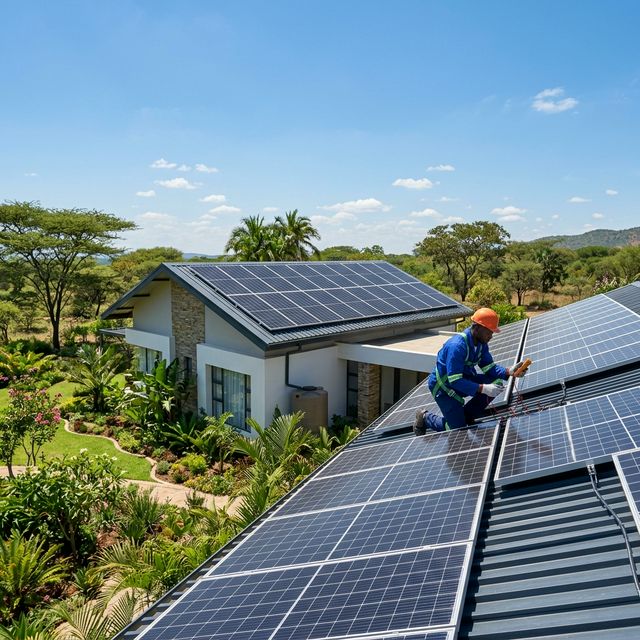
Solar energy in Zambia — system sizing, costs, batteries, and installation guide
☀️ Why Solar in Zambia?
2,500+
Sunshine hours/yr
5.5
Peak sun hours/day
3-5 yr
Payback period
25 yr
Panel lifespan
System Packages & Costs
Basic Lighting (4 lights + phone charging)
Small home, rural area
ZMK 3,500 – 5,500
Panels
100W
Battery
100Ah 12V
Inverter
300W
Home Essentials (lights + TV + fan + fridge)
Average home
ZMK 12,000 – 18,000
Panels
400W
Battery
200Ah 12V (×2)
Inverter
1.5kW
Full Home (all appliances + AC)
Large home, business
ZMK 35,000 – 65,000
Panels
2kW+
Battery
5kWh lithium
Inverter
5kW hybrid
Commercial/Office
Office, shop, workshop
ZMK 80,000 – 200,000
Panels
5-10kW
Battery
10-20kWh lithium
Inverter
10kW
Key Decisions
Lead-acid vs Lithium Batteries
- Lead-acid: Cheaper upfront (ZMK 1,500-3,000), but lasts 2-4 years, heavier, only 50% usable capacity.
- Lithium (LiFePO4): More expensive (ZMK 5,000-15,000), but lasts 8-10 years, 80-90% usable, lighter.
Grid-tied vs Off-grid vs Hybrid
- Off-grid: Complete independence from ZESCO. Needs larger battery bank.
- Hybrid: Uses solar when available, ZESCO as backup. Most practical for urban areas.
- Grid-tied: Sells excess to ZESCO (net metering). Regulations still limited in Zambia.
Trusted Installers
Look for ERB-licensed (Energy Regulation Board) installers. Major suppliers include SolarAfrica, Engie Zambia, and Standard Microgrid. Always get 3 quotes minimum.
Prices from Lusaka solar installers and supplier quotes. Sources: SolarAfrica, ERB Zambia. Updated March 2026.
Frequently Asked Questions
How much does a solar system cost in Zambia?
Basic lighting system (4 lights + phone charging): ZMK 3,500-5,500. Home essentials (lights + TV + fan + fridge): ZMK 12,000-18,000. Full home with AC: ZMK 35,000-65,000. Commercial/office: ZMK 80,000-200,000. Prices include panels, batteries, inverter, and installation. Lithium battery systems cost 30-50% more upfront but last 2-3x longer.
Is solar worth it in Zambia?
Yes, solar is extremely viable in Zambia with 2,500+ sunshine hours per year and 5.5 peak sun hours daily. Payback period is typically 3-5 years depending on system size and ZESCO load-shedding frequency. With increasing electricity tariffs and frequent outages, solar pays for itself quickly. Panels last 25+ years with minimal maintenance. For businesses, solar eliminates productivity losses from power cuts.
What size solar system do I need for my home in Zambia?
Calculate your daily energy consumption first. A typical Zambian home uses: LED lights (50W total), TV (80W), fridge (150W), fan (65W), phone charging (20W) = approximately 2-3kWh daily. For this, a 400W panel system with 200Ah battery and 1.5kW inverter is sufficient (ZMK 12,000-18,000). If you need air conditioning, multiply by 3-4x. A qualified installer should do a proper load assessment.
Lead-acid or lithium batteries for solar in Zambia?
Lead-acid: cheaper upfront (ZMK 1,500-3,000 per 100Ah), but only 50% usable capacity, lasts 2-4 years, heavy, needs ventilation. Lithium (LiFePO4): more expensive (ZMK 5,000-15,000), but 80-90% usable capacity, lasts 8-10 years, lighter, maintenance-free. Long-term, lithium is cheaper (lower cost per cycle). For budget systems, lead-acid works. For serious installations, lithium is the better investment.
Can I sell excess solar power to ZESCO?
Net metering regulations exist in Zambia but are still limited in practice. ZESCO does allow grid-tied systems in some areas, but the process to get approved is lengthy. Most Zambian solar users opt for hybrid systems (solar + ZESCO backup) or off-grid with battery storage. Hybrid inverters (ZMK 8,000-25,000) automatically switch between solar and grid power. Contact your local ZESCO office for current net metering availability.